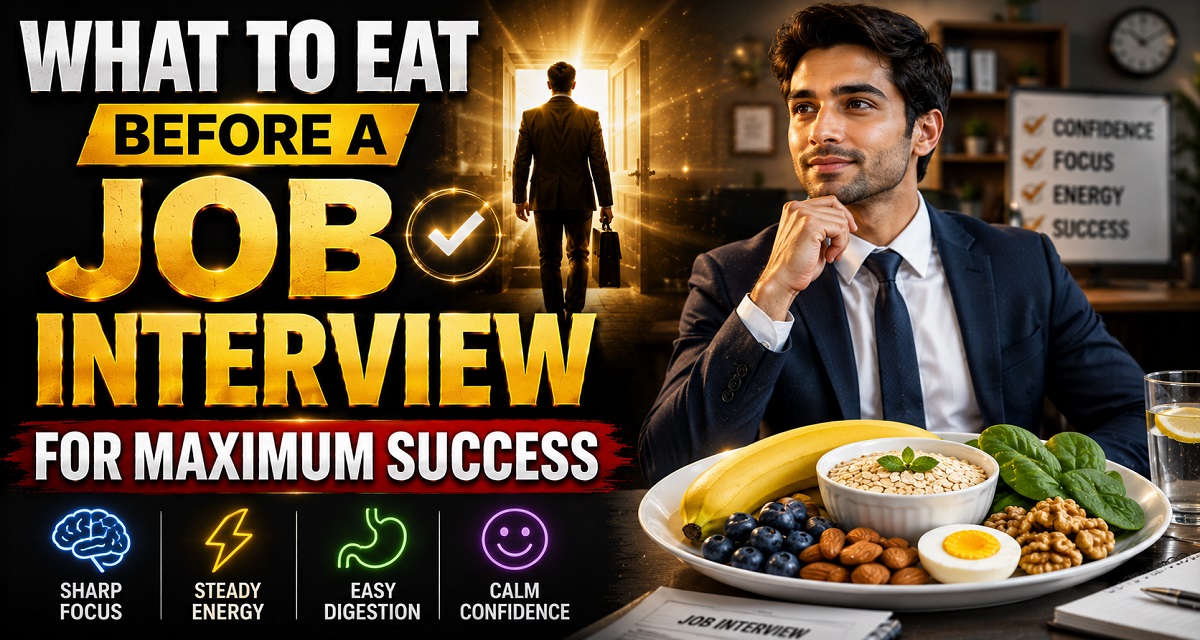
Imagine this: You have spent weeks preparing for a job interview. You have researched the company, polished your resume, practiced your answers in front of the mirror, and picked out the perfect outfit. You wake up on the big day, feeling a mix of excitement and nervousness. But then, right in the middle of the interview, your stomach lets out a loud rumble. Or worse, your brain suddenly feels foggy, and you cannot remember the answer to a simple question.
We have all been there.
When preparing for an interview, we focus so much on what we are going to say that we completely forget about how we are fueling our bodies. The truth is, your brain needs the right kind of fuel to function at its best. What you eat before an interview can be the difference between feeling sharp, confident, and energetic, or feeling sluggish, anxious, and distracted.
In this comprehensive guide, we are going to talk about exactly what you should (and shouldn’t) eat before a job interview. Let’s break down the science of brain food in simple, everyday language so you can walk into that interview room ready to conquer.
The Mind-Gut Connection: Why Your Breakfast Matters
Before we get into the specific foods, it helps to understand why food matters so much in high-stress situations. Have you ever noticed that when you are nervous, you feel it in your stomach? People call it having “butterflies.”
This happens because your brain and your digestive system are deeply connected. When you are stressed about an interview, your body goes into a mild “fight or flight” mode. This can slow down your digestion and make you feel slightly nauseous.
At the same time, your brain needs energy to think quickly, solve problems, and communicate clearly. The brain only weighs about 2% of your body weight, but it uses 20% of your daily energy. It runs entirely on glucose (sugar derived from carbohydrates). But here is the catch: if you give it the wrong kind of sugar, it will crash. You need a steady, slow release of energy to stay sharp.
This is why choosing the right pre-interview meal is a strategic career move.
The “Do” List: Best Foods for Interview Success
To build the perfect pre-interview meal, you need a balance of complex carbohydrates (for steady energy), lean protein (for alertness), and healthy fats (for brain function). Here are the superstar foods you should include:
1. Complex Carbohydrates (The Energy Sustainers)
Avoid simple carbs like white bread or sugary pastries. Instead, go for complex carbohydrates. These take longer for your body to break down, meaning they release energy into your bloodstream slowly and steadily.
- Oats (Oatmeal): This is arguably the best pre-interview breakfast. A bowl of oatmeal keeps you full for hours and prevents blood sugar spikes. You can top it with a little honey and some fruits.
- Whole Wheat Toast: If you prefer something savory, a couple of slices of whole wheat bread with peanut butter or eggs is a fantastic choice.
- Poha or Upma: If you prefer a traditional Indian breakfast, Poha (flattened rice) mixed with veggies and peanuts is light on the stomach but keeps you energized.
2. Lean Proteins (The Alertness Boosters)
Protein contains amino acids, which your brain uses to create neurotransmitters like dopamine and norepinephrine. These are the chemicals that make you feel awake, alert, and motivated.
- Eggs: Whether boiled, scrambled, or poached, eggs are a classic brain food. They are rich in choline, a nutrient that helps with memory and cognitive function.
- Greek Yogurt: Packed with protein and probiotics. Probiotics are great for gut health, which helps calm those nervous butterflies.
- Chicken or Turkey: If your interview is later in the afternoon, a light chicken salad for lunch will give you the protein you need without making you feel heavy.
3. Brain-Boosting Healthy Fats
Healthy fats are the building blocks of a healthy brain. They help signals travel faster in your brain, allowing you to think on your feet.
- Walnuts and Almonds: Grab a handful of these nuts before you leave the house. Walnuts actually look like little brains, and fittingly, they are packed with Omega-3 fatty acids that improve focus.
- Avocado: If you have access to it, avocado on whole-wheat toast is a trendy but highly effective interview meal. It is full of healthy monounsaturated fats that support healthy blood flow to the brain.
- Seeds: Chia seeds, pumpkin seeds, or flaxseeds can be sprinkled over your oatmeal or yogurt for an extra brain boost.
4. The Calming Fruits
- Bananas: Bananas are nature’s beta-blockers. They are rich in potassium and Vitamin B, which naturally help lower your heart rate and reduce stress. If you are feeling too nervous to eat a full meal, a banana is the perfect compromise.
- Blueberries: Often called “brain berries,” these are packed with antioxidants that protect the brain from stress and improve short-term memory.
5. The Classic Tradition: Curd and Sugar
In many Indian households, eating a spoonful of curd (yogurt) with a little sugar before heading out for something important is a time-honored tradition. But there is actual science behind this! The curd cools the stomach and provides good bacteria to calm digestive nerves, while the small amount of sugar gives an instant, rapid glucose boost to the brain. It is a psychological comfort and a physical benefit wrapped into one.
The “Don’t” List: Foods That Will Sabotage Your Interview
Just as some foods can make you sharper, others can make you slow, sleepy, and anxious. Avoid these foods at all costs in the 24 hours leading up to your interview:
1. The Heavy and Greasy Foods (The Food Coma Inducers)
Think about how you feel after eating a heavy plate of Chole Bhature, a greasy burger with fries, or a few samosas. You probably want to take a nap, right? Greasy, deep-fried foods require a massive amount of energy to digest. Your body pulls blood away from your brain and sends it to your stomach to deal with the heavy meal. This causes the dreaded “food coma.” You will feel sluggish, your thinking will slow down, and you will struggle to pay attention to the interviewer. Keep it light.
2. Sugar Bombs (The Crash and Burn)
Donuts, pastries, candy bars, and highly sweetened cereals might give you an instant rush of energy, but it is a trap. About 30 to 45 minutes after eating a lot of processed sugar, your blood sugar levels will plummet. This is called a sugar crash. During an interview, a sugar crash will make you feel exhausted, irritable, and unable to focus.
3. The Smell-Lingering Foods
This sounds obvious, but it happens more often than you think.
- Raw Onion and Garlic: These leave a strong odor on your breath that mints cannot always fix.
- Strong Spices: Overly spicy food can not only cause bad breath but also trigger heartburn or a runny nose during the interview. Save the spicy curries for your celebration dinner after you get the job offer.
4. Unfamiliar Foods
The night before or the morning of an interview is not the time to try out that new exotic restaurant or experiment with a recipe you saw online. Stick to foods you know your body can tolerate well. The last thing you want is a sudden upset stomach or an allergic reaction when you are sitting in the waiting room.
The Great Caffeine Debate: Coffee, Tea, and Water
Let’s talk about drinks, because hydration is just as important as food.
Water: Your Brain’s Best Friend
Dehydration is one of the leading causes of brain fog and fatigue. When your brain doesn’t have enough water, it literally shrinks a little bit, making it harder to think clearly.
- Rule of thumb: Drink a large glass of water when you wake up. Continue to sip water leading up to the interview.
- Warning: Stop drinking large amounts of water about 45 minutes before the interview begins. You do not want to be distracted by a desperate need to use the restroom while answering questions about your five-year plan.
Coffee and Tea: Proceed with Caution
Many of us rely on a morning cup of coffee or tea to function. Should you drink it before an interview? Yes, but with strict limits.
- If you normally drink coffee, have your usual amount. Do not drink extra.
- Caffeine is a stimulant. A little bit wakes up your brain. Too much caffeine increases your heart rate, makes your hands shake, and causes anxiety. Since your body is already naturally producing adrenaline because of interview nerves, adding too much caffeine is like pouring gasoline on a fire. You will look nervous and jittery.
- Green Tea Alternative: If you are prone to anxiety, try swapping your coffee for green tea. Green tea contains caffeine, but it also has an amino acid called L-theanine, which promotes relaxation without making you sleepy. It gives you a calm, focused energy.
Timing Your Pre-Interview Meals
What you eat is important, but when you eat is just as crucial. Here is a breakdown of how to time your meals based on when your interview is scheduled.
Scenario A: The Early Morning Interview (8:00 AM – 10:00 AM)
When you have an early interview, you might feel too nervous to eat breakfast. You must eat something, even if it is small.
- Eat: 1.5 to 2 hours before the interview.
- The Meal: A bowl of oatmeal with sliced bananas and a few almonds. Or, two scrambled eggs with one slice of whole-wheat toast.
- Why: This gives your body enough time to digest the food so you aren’t feeling full, but the energy will peak right as you sit down for the interview.
Scenario B: The Mid-Day or Lunchtime Interview (12:00 PM – 2:00 PM)
This is a tricky time. You need breakfast, and you need a light lunch so your stomach doesn’t rumble in the silent interview room.
- Breakfast (8:00 AM): A normal, healthy breakfast (like the ones mentioned above).
- Pre-Interview Meal (1.5 hours before): Do not eat a heavy lunch. Have something very light. A small chicken salad, a piece of grilled fish with some vegetables, or a bowl of vegetable soup. Avoid heavy rice or pasta dishes.
Scenario C: The Late Afternoon Interview (3:00 PM – 5:00 PM)
By the late afternoon, your energy naturally starts to dip. You need to prevent the 3 PM slump.
- Breakfast & Lunch: Eat your normal, balanced meals, avoiding anything fried or greasy.
- The Pre-Interview Snack (1 hour before): You need a small boost to wake up your brain. An apple with a spoonful of peanut butter, a handful of walnuts, or a small cup of Greek yogurt.
What to Do If You Are Too Nervous to Eat?
It is very common to feel so anxious before an interview that the thought of chewing and swallowing food makes you feel sick. If your stomach is tied in knots, do not force yourself to eat a heavy meal, as you might end up feeling nauseous.
However, going into an interview with zero calories in your system is a recipe for a brain freeze. If you absolutely cannot eat a meal, try these highly digestible, easy-to-consume alternatives:
- A Smoothie: Blend a banana, a little milk (or almond milk), and a scoop of protein powder or peanut butter. Liquid calories are much easier to get down when you are nervous, and this will provide excellent energy.
- A Plain Banana: As mentioned earlier, bananas are incredibly easy on the stomach and provide quick, clean energy.
- A Handful of Saltine Crackers or Plain Biscuits: Sometimes, having a completely empty stomach actually makes nausea worse because of stomach acid. A few plain crackers can absorb that acid and settle your stomach.
The Night Before: Setting the Foundation
Your pre-interview nutrition doesn’t just start the morning of the interview; it starts the night before.
How well you sleep the night before will heavily dictate your performance. To ensure a good night’s sleep, watch your dinner plate:
- Eat a balanced dinner: Include complex carbs (like sweet potatoes or brown rice) and lean protein (like grilled chicken or lentils).
- Avoid alcohol: You might think a glass of wine or beer will help you relax and sleep, but alcohol actually disrupts your REM sleep. You will wake up feeling groggy, not rested.
- Avoid late-night caffeine: Cut off all coffee, black tea, and energy drinks by 3:00 PM the day before.
The Commute and The Waiting Room
You have eaten the right breakfast, you have hydrated properly, and now you are on your way to the interview location. Here are three final things you should have in your bag to ensure absolute perfection:
- A Bottle of Room-Temperature Water: Take small sips if your mouth gets dry while waiting. Nerves dry out the mouth, making it hard to speak clearly. (Room temperature is better than ice-cold, which can tighten your vocal cords).
- Breath Mints (Not Gum): Pop a mint about 15 minutes before you walk in. A fresh mouth makes you feel more confident. However, never chew gum during an interview. Spit out the mint or gum in the trash can before you greet the receptionist.
- A Small Square of Dark Chocolate: This is a secret weapon. If you are sitting in your car or the waiting room feeling exhausted or panicked, eat one small piece of dark chocolate (70% cocoa or higher). Dark chocolate contains a small amount of caffeine for alertness, and it promotes the release of endorphins (feel-good chemicals) that naturally reduce stress.
Fuel Your Confidence
A job interview is basically a mental marathon. You wouldn’t expect a runner to run a marathon without drinking water and eating the right carbs, so you shouldn’t expect your brain to perform at its peak without the right fuel either.
Remember, keep it simple. Avoid greasy foods that slow you down, avoid heavy sugars that make you crash, and embrace whole grains, lean proteins, and fruits that provide steady, calm energy.
When you sit down in that interview chair, you want your complete focus to be on showcasing your skills, your personality, and your experience. By feeding your body the right way, you eliminate the distractions of a rumbling stomach, a foggy brain, or a caffeine-induced panic. You set yourself up to be the sharpest, most confident version of yourself.
Eat well, take a deep breath, smile, and go get that job!
Related – Vastu Tips for Work: Place This Object on Your Desk for a Guaranteed Promotion